10 Books to Understand Japan
Japan is simultaneously one of the most studied and most misunderstood countries in the world. Behind the surface of pop culture and technological reputation lies a deeply layered society shaped by feudalism, wartime trauma, postwar reinvention, and a decades-long economic stagnation. These ten books cut through the clichés.

Decoding Japan
History, Geography, Culture, Politics, and Economics — Five Lenses on the Indispensable Nation of Asia
Understand Japan through five lenses: history, geography, culture, politics and economics.

Embracing Defeat: Japan in the Wake of World War II
Pulitzer Prize–winning masterwork on the U.S. occupation of Japan (1945–52). Dower shows how defeat and occupation reshaped every layer of Japanese society — from the constitution to popular culture — in ways that still define the country today.
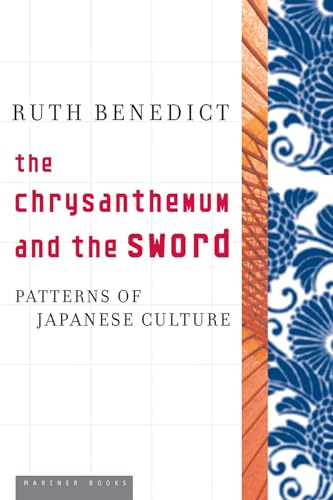
The Chrysanthemum and the Sword: Patterns of Japanese Culture
The foundational text for understanding Japanese social psychology. Written for the U.S. War Department in 1944, Benedict's analysis of Japan's 'shame culture' versus the Western 'guilt culture' remains essential — and productively controversial — reading.

Dogs and Demons: Tales from the Dark Side of Japan
A bracingly critical portrait of modern Japan by a long-time Western resident. Kerr dissects how bureaucratic inertia, concrete addiction, and resistance to reform strangled the world's second-largest economy — still painfully relevant two decades on.

Lost Japan: Last Glimpse of Beautiful Japan
Kerr's lyrical counterpart to Dogs and Demons — a memoir of discovering traditional Japan in the 1970s. Noh theater, calligraphy, machiya townhouses: the cultural richness that modernization is steadily erasing. Winner of Japan's Shincho Literary Prize.

Bending Adversity: Japan and the Art of Survival
The Financial Times Tokyo bureau chief for seven years, Pilling frames Japan's story through resilience — from postwar reconstruction to the 2011 tsunami. A humane and clear-eyed account that avoids both Japan-bashing and Japan-boosting.

Japan and the Shackles of the Past
A sweeping political-economic history that explains why Japan cannot break free of its postwar institutional constraints. Murphy — a former investment banker turned academic — connects Meiji-era structures to 21st-century policy paralysis with unusual precision.
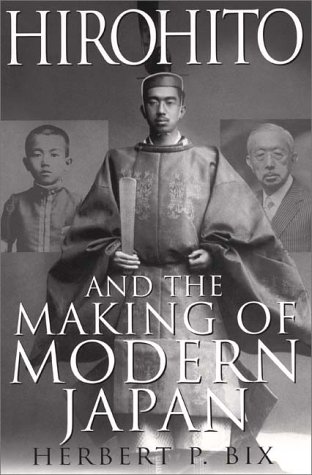
Hirohito and the Making of Modern Japan
Pulitzer Prize biography that definitively reframes Emperor Hirohito's role in the Pacific War. Drawing on newly opened Japanese archives, Bix dismantles the 'passive emperor' myth and shows how the imperial institution actively shaped war policy.

Shutting Out the Sun: How Japan Created Its Own Lost Generation
A journalist's investigation into hikikomori (social withdrawal) and Japan's broader failure to reform after the bubble burst. Zielenziger argues that Japan's social conformity, rather than economics, is the root cause of its prolonged stagnation.

Japan as Number One: Lessons for America
The most influential book ever written about Japan's economic rise. Vogel's 1979 portrait of Japan's industrial organization, education system, and bureaucratic competence became a touchstone — and a cautionary tale — for understanding both Japan's peak and its subsequent decline.
As an Amazon Associate I earn from qualifying purchases.